
Physical Address
304 North Cardinal St.
Dorchester Center, MA 02124
Physical Address
304 North Cardinal St.
Dorchester Center, MA 02124

Choosing between silk and mink lash extensions can feel confusing, especially when both promise beautiful results. Many people book appointments without fully understanding the difference between mink and silk lashes, only to feel unsure once the lashes are on. Some want a soft, natural look, while others prefer a clean, defined finish that lasts longer. This guide explains mink lashes vs silk lashes in a clear, practical way so you can choose the option that fits your style, comfort level, and daily routine without regret.
Lash extension material plays a major role in how lashes look, feel, and wear over time. The fiber affects weight, shine, curl hold, and even how comfortable the lashes feel after a few hours. Silk and mink lashes behave differently because they are made from different materials. Knowing this before choosing helps avoid issues like heaviness, irritation, or lashes losing their shape too quickly. This is the foundation for understanding silk vs mink lash extensions.
Mink lash extensions are known for their soft, natural appearance. Traditionally, real mink lashes were made from animal fur, but today most salons use faux mink, which is a high-quality synthetic fiber designed to mimic the feel of real mink. Faux mink lashes are lighter, more consistent in shape, and cruelty-free, making them more popular in modern lash salons. When people ask what is better, mink or silk lashes, mink is often associated with comfort and a natural finish.
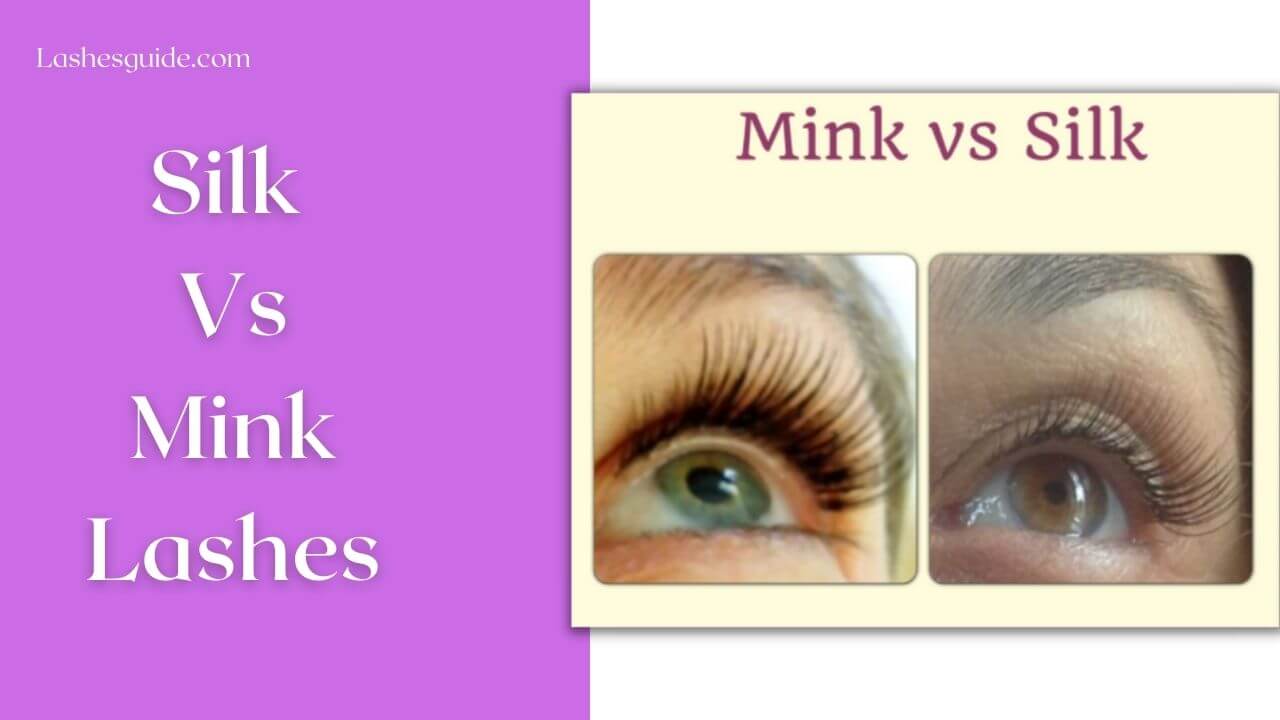
Mink lashes have a soft, fluffy texture that closely resembles natural eyelashes. They usually have a matte finish, which helps them blend smoothly with natural lashes. Because they are lightweight, mink lashes feel comfortable for long wear and are often chosen by people who want lashes that feel barely noticeable. This soft texture is one of the main reasons many prefer mink when comparing mink lashes vs silk lashes.
Silk lash extensions are made from synthetic fibers, usually a form of PBT material. They are slightly thicker than mink lashes and hold their shape well. Silk lashes are popular because they offer a clean, polished look that works for both natural and glam styles. Many salons recommend silk lashes for clients who want defined lashes that photograph well and keep their curl for longer periods.
Silk lashes have a smoother texture and a subtle shine compared to mink lashes. This glossy finish makes lashes stand out more, especially in fuller sets. Silk lashes feel slightly firmer, which helps them maintain curl and shape throughout the day. While still comfortable, they may feel a bit more noticeable than mink lashes, especially for people sensitive to lash weight. This texture difference is key in any silk vs mink lashes comparison.
The main differences between silk and mink lashes show up in appearance, weight, and curl performance. Understanding these points helps narrow down which option suits your preferences better.

Mink lashes offer a soft, natural finish that blends easily with real lashes. Silk lashes provide a more polished and defined look, which many people prefer for noticeable lash sets.
Mink lashes are lighter and finer, making them ideal for comfort-focused wear. Silk lashes are slightly thicker, which adds definition but can feel heavier for some users.
Silk lashes generally hold their curl longer, especially in humid conditions. Mink lashes may relax faster but still look soft and natural as they wear.
| Feature | Mink Lashes | Silk Lashes |
| Texture | Soft, fluffy | Smooth, firm |
| Finish | Matte | Slight shine |
| Weight | Very light | Light–medium |
| Curl hold | Moderate | Strong |
One of the biggest deciding factors when choosing between silk vs mink lashes is how long they last and how well they hold up during daily wear. Longevity depends on the lash material, curl strength, natural lash health, and aftercare habits. In general, silk lashes are known to maintain their shape longer, while mink lashes prioritize softness and comfort. Understanding this difference helps set realistic expectations before booking an appointment.
Mink lashes usually last between 2 to 4 weeks with proper care and regular refills. Because they are lighter and finer, they can shed more naturally along with your own lashes. This shedding often looks softer and less noticeable, which many people prefer. However, mink lashes may lose their curl slightly faster, especially in humid environments or with frequent exposure to steam.
Silk lashes are slightly firmer, which allows them to hold their curl and shape longer. With good aftercare, silk lashes can also last 2 to 4 weeks, but they often look more defined for a longer period between refills. This makes silk lashes a popular choice for people who want their lashes to stay structured and visible throughout the wear cycle.
Retention is influenced by more than just lash material. Natural lash growth cycles, oil production, sleep habits, and cleansing routines all play a role. Using oil-free products, avoiding rubbing the eyes, and following refill schedules help both silk and mink lashes last longer. Poor aftercare can shorten wear time regardless of which material you choose.
Maintenance is another area where the difference between mink and silk lashes becomes noticeable. Mink lashes require gentle handling to preserve their soft texture. Brushing lightly and avoiding excess moisture helps them keep their natural appearance. Silk lashes are more forgiving when it comes to brushing and styling because of their firmer structure.
You’ve probably had your eyelashes fall out at some point. At that point, you become curious to know how long lashes take to grow back. Both lash types benefit from regular cleaning to remove oils and debris. Proper aftercare improves comfort, appearance, and overall lash health.
Allergy concerns are an important part of the mink lashes vs silk lashes discussion. Real mink fur can trigger reactions in people with animal allergies, which is why many salons now use faux mink instead. Faux mink and silk lashes are both synthetic and generally safe for sensitive eyes.
The adhesive used during application is more likely to irritate the lash fiber itself. Choosing a skilled lash technician and sharing any sensitivities before application reduces the risk of discomfort. The secret to an eye-opening effect lies in the lift; choosing between C-curl vs. CC-curl lashes depends on your natural lash angle and how much ‘drama’ you want to achieve.
Ethical concerns have changed how many people choose lash extensions. Real mink lashes raise questions about animal welfare, which has led to a rise in cruelty-free alternatives. Faux mink and silk lashes are both made from synthetic fibers and do not involve animal sourcing.
Because of this shift, many salons prefer faux mink or silk lashes. Clients who care about ethical beauty practices often choose these options when deciding between silk vs mink lash extensions.
Cost can vary depending on salon location, lash artist experience, and style chosen. In general, mink lashes tend to cost slightly more due to their reputation for softness and luxury. Silk lashes are often priced a bit lower and offer strong value because of their durability.
| Lash Type | Typical Price Range (US) |
| Mink Lashes | $150–$250 |
| Silk Lashes | $120–$220 |
Over time, refill costs are similar for both materials. Choosing based on comfort and style often matters more than price alone.
For a soft, everyday appearance, mink lashes are often preferred. Their matte finish and light texture blend easily with natural lashes, making them ideal for subtle enhancement. For a quick DIY weekend look, you might consider cluster lashes, but be sure to learn the correct application to prevent damage to your natural lash cycle.”
Silk lashes work well for fuller, more noticeable looks. Their shine and structure help create bold sets that stand out in photos and evening lighting.
Mink lashes are usually better for fine natural lashes because they are lighter. Silk lashes can still work, but careful weight selection is important to avoid strain.
Understanding the strengths and limits of each lash type helps answer the common question of what is better mink or silk lashes. Both materials perform well, but they serve different preferences and lifestyles.
Mink lashes are widely loved for their comfort and natural appearance. Their lightweight feel makes them easy to wear for long hours, and the matte finish blends well with natural lashes. However, they may lose curl slightly faster and often require more careful maintenance to keep their soft texture intact. Cost can also be higher, especially for premium faux mink sets.
Silk lashes are known for their structure and consistency. They hold curl well and create a clean, defined lash line that stays noticeable between refills. This makes them a strong choice for fuller styles. The trade-off is that they can feel slightly firmer than mink lashes, which some people may notice during extended wear.
Lash artists often recommend choosing lash material based on comfort, lash strength, and desired style rather than trends. For clients with fine or fragile lashes, lighter materials such as mink or faux mink are usually safer. Silk lashes work well when more structure is needed, especially for volume or dramatic sets.
Artists also consider curl type, length, and diameter when selecting materials. Choosing the right combination prevents lash strain and improves retention. A short consultation before application helps match the lash material to your eye shape and routine. Always prioritize your ocular health by reviewing the safety pros and cons of lash before your first appointment.
Mink lashes are better for those who want a softer, more natural feel, while silk lashes are better for people who want structure and longer-lasting curl. Neither option is better overall; it depends on preference.
Both typically last the same amount of time, but silk lashes often keep their shape longer between refills.
Silk lashes are slightly heavier, but they are still considered lightweight when applied correctly.
Most modern salons use faux mink made from synthetic fibers rather than real animal fur.
Mink lashes usually look more natural because of their matte finish and fine texture.
The choice between mink lashes vs silk lashes comes down to how you want your lashes to look and feel every day. Mink lashes offer softness, comfort, and a natural finish that works well for everyday wear. Silk lashes provide structure, shine, and long-lasting curl that suits fuller or glam styles.
If comfort and a subtle look matter most, mink lashes are a great fit. If you want definition that holds up longer between refills, silk lashes may suit you better. Both options can look beautiful when applied correctly and cared for properly. Choosing the right lash material becomes easy once you understand the real differences in texture, look, and longevity.